

Introduction
Across the county of Dorset, road construction and driveway surfacing play an important role in everyday infrastructure. The demand for durable, weather-resistant, and cost-effective materials has made modern surfacing methods essential for both residential and commercial projects.
The subject of tarmac and asphalt in Dorset is not only about roads but also about how communities stay connected, how businesses operate smoothly, and how homeowners improve property value through strong external surfaces. These materials have become a foundation of modern construction work in the region.
This article explores their meaning, usage, benefits, installation methods, and long-term value in a practical and easy-to-understand way.
What They Mean in Construction
The term tarmac and asphalt in Dorset refers to the use of two widely applied surfacing materials used for roads, driveways, and car parks across the county. Both materials are made using crushed aggregates combined with bitumen, but they are applied in slightly different ways depending on the project type.
Tarmac is often associated with smaller residential projects and private driveways. It is known for its cost-effectiveness and quick installation. Asphalt, on the other hand, is commonly used for highways, commercial roads, and heavy traffic zones because of its strength and smooth finish.
Although many people use the terms interchangeably, each material has unique properties that make it suitable for specific environments.
Core Material Differences
When discussing tarmac and asphalt in Dorset, it is important to understand the structural differences between them.
Tarmac typically has a slightly rougher surface and is made using a simpler mixture of aggregates and binding agents. It is widely used in residential settings because it provides a practical and affordable solution for driveways and small access roads.
Asphalt is more refined, with a smoother surface and higher durability level. It is designed to withstand continuous traffic and heavy loads, making it suitable for public roads, industrial zones, and commercial areas.
Both materials share similar base components, but the way they are processed and laid determines their final performance and lifespan.
| Field | Details |
|---|---|
| Name | Example Name |
| Profession | Example Profession |
| Birth Date | DD/MM/YYYY |
| Age | Example Age |
| Nationality | Example Country |
| Known For | Main Work or Achievement |
| Net Worth | Estimated (if available) |
| Social Media | Instagram / Twitter / etc. |
| Residence | City / Country |
| Status | Active / Inactive |
Applications Across Dorset
The use of tarmac and asphalt in Dorset can be seen across a wide range of environments, from rural villages to busy coastal towns.
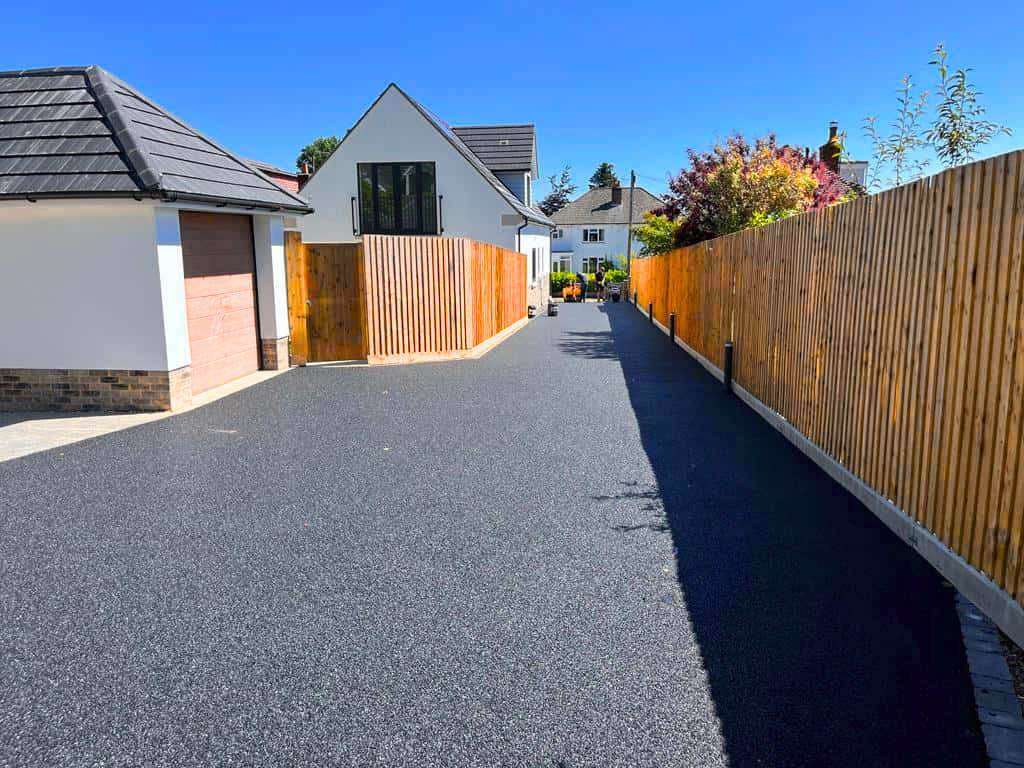
In residential areas, tarmac is commonly used for driveways, garden paths, and private lanes. Homeowners prefer it because it is quick to install and provides a neat, functional finish.
Asphalt is more commonly used in public infrastructure. Roads managed by local authorities rely on it due to its ability to handle constant vehicle movement and changing weather conditions.
Commercial spaces such as shopping centres, business parks, and industrial estates also depend on asphalt surfaces because they can support heavy traffic without significant wear.
Installation Process Explained
The installation process for tarmac and asphalt in Dorset involves several carefully planned stages that ensure long-term durability and stability.
First, the ground is prepared by removing old surfaces, debris, or weak soil layers. This step is essential because a stable foundation determines how well the final surface will perform.
Next, a solid sub-base layer is installed using crushed stone. This layer helps with drainage and provides structural strength.
After that, hot tarmac or asphalt is laid evenly across the prepared area. Specialized machinery is used to spread and level the material before it is compacted using heavy rollers. This ensures a smooth and durable finish.
Once the surface cools and hardens, it becomes ready for use, often within a short time depending on weather conditions.
Performance in Weather Conditions
One of the main reasons tarmac and asphalt in Dorset are widely used is their ability to perform well in varying weather conditions.
The region experiences a mix of rainfall, coastal winds, and seasonal temperature changes. Both materials are designed to handle these challenges effectively.
Tarmac remains flexible enough to resist cracking during temperature shifts, while asphalt provides a stronger, more weather-resistant surface for high-traffic roads.
Proper installation and drainage systems further improve their performance, preventing water damage and surface deterioration over time.
Benefits for Property Owners and Councils
There are many advantages to using tarmac and asphalt in Dorset for construction and surfacing projects.
One of the main benefits is durability. Both materials are designed to last for many years when properly installed and maintained.
Cost-effectiveness is another important factor. Compared to other surfacing options like block paving or concrete, these materials offer a more affordable solution without compromising quality.
They are also quick to install, which reduces disruption for homeowners, businesses, and public road users.
Maintenance is relatively simple, requiring only occasional repairs or resurfacing to maintain performance and appearance.
Maintenance and Longevity
Proper maintenance plays a key role in extending the life of tarmac and asphalt in Dorset surfaces.
Over time, exposure to rain, sunlight, and traffic can lead to small cracks or surface wear. These issues are common but manageable if addressed early.
Minor repairs such as crack filling or patching can restore the surface quickly. In some cases, resurfacing may be required for older areas showing significant wear.
Regular cleaning and ensuring proper drainage also help prevent long-term damage and improve durability.
Cost and Value Factors
The cost of tarmac and asphalt in Dorset depends on several factors including project size, ground condition, and material type.
Tarmac is generally more affordable and is often chosen for residential driveways and small-scale projects. Asphalt tends to be slightly more expensive due to its higher strength and longer lifespan.
However, both options offer excellent long-term value because they reduce the need for frequent repairs and replacements.
Investing in quality materials and skilled installation ensures better performance and lower maintenance costs over time.
Environmental Impact and Sustainability
Modern construction practices have improved the environmental performance of surfacing materials.
Both tarmac and asphalt can be recycled and reused in new road projects, reducing waste and conserving natural resources. This makes them more sustainable compared to many alternative materials.
In recent years, contractors in Dorset have increasingly adopted recycling techniques to reduce environmental impact while maintaining high-quality road surfaces.
This approach supports long-term sustainability goals while ensuring reliable infrastructure development.
Choosing the Right Contractor
Selecting the right contractor is essential for successful installation of tarmac and asphalt in Dorset.
Experienced contractors provide proper site assessments, ensuring the right material is chosen for each project. They also ensure correct ground preparation, drainage planning, and finishing techniques.
A professional team will typically offer transparent pricing, previous project examples, and quality guarantees.
Choosing skilled specialists ensures the surface performs well and lasts longer, reducing future repair costs.
Common Issues and Solutions
Even high-quality surfaces can develop issues if not installed or maintained properly.
Poor base preparation can lead to sinking or cracking over time. Incorrect drainage can cause water pooling, which weakens the surface.
Using low-quality materials or inexperienced workers may also result in uneven finishes and early deterioration.
Addressing these issues early through proper maintenance and repairs helps extend surface life and performance.
Future Development in Road Surfacing
The future of tarmac and asphalt in Dorset is focused on innovation and sustainability.
New materials and improved binding technologies are being developed to increase durability and reduce environmental impact. Recycled materials are also becoming more widely used in road construction projects.
These advancements aim to improve performance while lowering costs and supporting environmental responsibility.
As infrastructure continues to grow across Dorset, demand for reliable surfacing solutions will remain strong.
Conclusion
The importance of tarmac and asphalt in Dorset cannot be overlooked when considering modern infrastructure and property development.
From residential driveways to major public roads, these materials provide strength, reliability, and long-lasting performance. Their adaptability, affordability, and durability make them essential for construction projects across the region.
Understanding how they work and where they are used helps property owners and developers make informed decisions that improve both function and value.
With proper installation and maintenance, these surfaces continue to serve as a backbone of transport and accessibility throughout Dorset for many years to come.
FAQs
Q: What is tarmac and asphalt in Dorset used for?
A: It is used for roads, driveways, car parks, and pathways across Dorset for strong and durable surfacing.
Q: Which is better, tarmac or asphalt in Dorset?
A: Asphalt is stronger for heavy traffic, while tarmac is more affordable for driveways and small areas.
Q: How long does tarmac and asphalt last in Dorset?
A: With proper maintenance, both can last 15–20 years depending on usage and weather conditions.
Q: Is tarmac and asphalt in Dorset weather resistant?
A: Yes, both materials handle rain, cold, and temperature changes well when properly installed.
Q: Can damaged tarmac and asphalt in Dorset be repaired?
A: Yes, small cracks and holes can be easily patched or resurfaced to restore the surface.
