

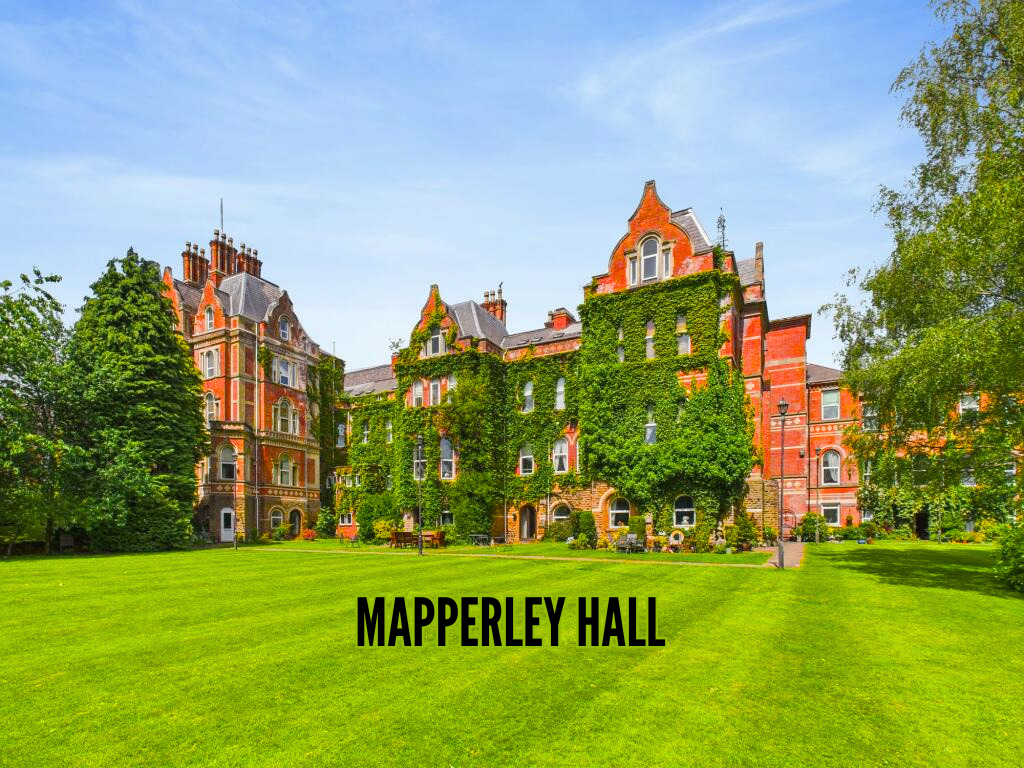
Mapperley Hall is one of Nottingham’s most fascinating historic landmarks. Built in the late 18th century, this elegant country house has witnessed centuries of history—from wealthy banking families to wartime service, education, and modern residential life. Situated in the heart of Mapperley Park, the Hall remains a symbol of local heritage, blending architectural beauty with cultural significance.
Its story reflects more than bricks and mortar—it reflects the lives of prominent figures, social change, and the evolution of Nottingham itself. Today, Mapperley Hall continues to inspire residents, historians, and visitors alike, standing as a testament to England’s architectural and social history.
The Birth of Mapperley Hall
Mapperley Hall was constructed in 1792 by Ichabod Wright II, a notable banker from a well-known Nottingham family. The Hall was designed as a spacious country residence to accommodate a large and prosperous household. Its location, now 51 Lucknow Avenue, placed it amid extensive estate grounds, giving the family ample privacy and a commanding presence in the area.
Ichabod Wright and his wife Harriet Maria Day raised a large and vibrant family in the Hall. With three sons and ten daughters, the house was filled with the energy of children, guests, and staff, creating a lively atmosphere that defined its early years. The family’s influence would shape Nottingham’s social and economic landscape for decades.
Architectural Elegance
Mapperley Hall is a stunning example of Georgian architecture, with later Victorian additions that enhanced its character. The building is three storeys high, featuring stucco walls, ashlar dressings, and a hipped slate roof, giving it a timeless elegance that has endured for over two centuries.
The Hall underwent significant alterations in 1845 and again in 1889–90, overseen by architect Robert Evans. These changes modernized the structure while maintaining its historic charm. Its façade is notable for sash windows, a decorative portico, and a balcony-framed Venetian window. Inside, the Hall originally boasted rich plasterwork, Adam-style friezes, and ornate cornices, reflecting the wealth and taste of its original owners.
| Attribute | Details |
|---|---|
| Name | Mapperley Hall |
| Location | Mapperley Park, Nottingham, England |
| Built | 1792 |
| Built By | Ichabod Wright II (Banker) |
| Architectural Style | Georgian with Victorian additions |
| Floors | 3 storeys |
| Historic Status | Grade II listed building |
| Original Use | Family residence for the Wright family |
| Later Uses | Student accommodation, wartime hospital, offices |
| Current Use | Residential apartments |
| Notable Residents | Ichabod Charles Wright (scholar, translator of Dante) |
| Estate Influence | Formed the core of Mapperley Park suburb |
| Cultural Significance | Architectural heritage, literary connections, community landmark |
The Wright Family Legacy
The Wright family were among Nottingham’s most respected families. Their banking enterprise, begun by Ichabod Wright I, grew throughout the 18th and 19th centuries, giving them influence and prestige.
One of the most notable family members, Ichabod Charles Wright (1795–1871), was born at Mapperley Hall. He combined his banking career with literary scholarship, translating Dante’s Divine Comedy into English—a remarkable achievement that brought international recognition. His work enriched Nottingham’s cultural heritage, cementing the Wright family’s legacy beyond finance.
Education and University Life
By 1900, Mapperley Hall had left the Wright family and was sold to University College Nottingham, a precursor to the modern University of Nottingham. The Hall became student accommodation, especially for teacher trainees preparing for careers in the growing public school system following the 1902 Education Act.
During this period, the Hall was a hub of academic and social life. Students lived and studied within its walls, benefiting from the spacious rooms and serene estate grounds. While some historical accounts suggest figures like D. H. Lawrence may have studied nearby during this era, the Hall was primarily a home for aspiring teachers, providing a supportive environment for learning and growth.
Mapperley Hall During Wartime
The First World War brought a new chapter to Mapperley Hall. In 1916, it was converted into the Mapperley Hall Auxiliary Hospital, managed by Lady Cecily Mary Cavendish‑Bentinck under the St John Ambulance organization.
For several years, the Hall cared for wounded soldiers returning from the front lines. With a 40-bed capacity, it became a critical local facility, blending historic architecture with practical community service. This period highlights the Hall’s adaptability and its role in supporting Nottingham during times of national crisis.
Heritage and Modern Use
In recognition of its historical and architectural significance, Mapperley Hall was designated a Grade II listed building in 1972. This status ensures legal protection and requires preservation of its unique character and historic features.
Over time, Mapperley Hall transitioned into offices and was later converted into residential apartments, allowing modern occupants to enjoy its grand spaces while preserving its heritage. These adaptations have maintained the Hall’s relevance, blending historic charm with contemporary living standards.
Mapperley Park: From Estate to Suburb
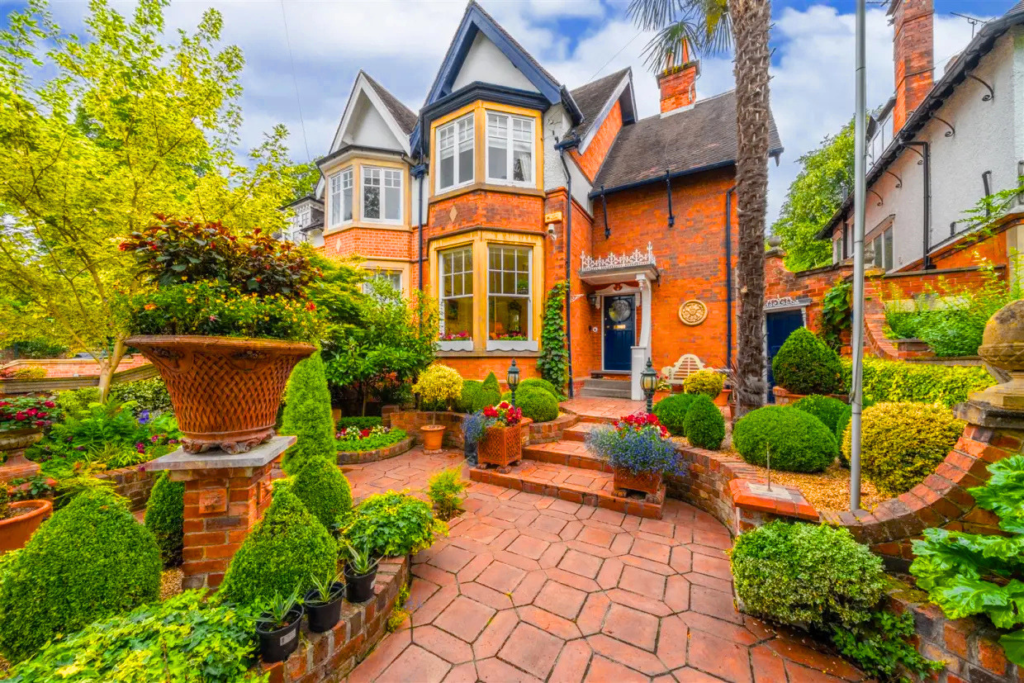
Mapperley Hall originally sat on an extensive estate. After the Wright family sold portions of the land, it evolved into Mapperley Park, a prestigious residential district known for early 20th-century houses, leafy avenues, and conservation status.
The Hall continues to anchor the neighborhood, providing a sense of history and identity. Many streets were laid out on the former estate, and the Hall itself serves as a focal point for local heritage, reminding residents of the area’s evolution from private estate to vibrant suburb.
Why Mapperley Hall Matters Today
Architecturally, Mapperley Hall showcases centuries of design evolution, combining Georgian foundations with Victorian modifications. Its enduring presence offers insight into English building traditions and the lifestyles of wealthy families in historic Nottingham.
Culturally, the Hall connects to influential figures like Ichabod Charles Wright, whose literary contributions enriched local and international heritage. Educationally, its role as a student residence demonstrates how historic properties can adapt to new social purposes.
Finally, as a community landmark, Mapperley Hall continues to define Mapperley Park, inspiring pride and appreciation for Nottingham’s rich history.
Conclusion: A Living Legacy
From its construction in 1792 to its modern life as residential apartments, Mapperley Hall remains a living piece of Nottingham’s history. It tells stories of wealth, scholarship, war, and community service. Its walls have seen families grow, students learn, and soldiers recover, making it more than a building—it is a symbol of endurance, adaptability, and heritage.
Mapperley Hall stands today not as a relic of the past but as a dynamic and cherished part of Nottingham, bridging centuries with grace, and continuing to inspire all who visit or call Mapperley Park home.
FAQs
Q: What is Mapperley Hall?
A: Mapperley Hall is a historic Georgian country house in Nottingham, England, known for its architectural and cultural significance.
Q: When was Mapperley Hall built?
A: It was built in 1792 by Ichabod Wright II, a prominent local banker.
Q: What was Mapperley Hall used for during World War I?
A: It served as an auxiliary hospital caring for wounded soldiers.
Q: Is Mapperley Hall protected as a heritage site?
A: Yes, it is a Grade II listed building, recognized for its historic and architectural importance.
Q: What is Mapperley Hall used for today?
A: It has been converted into residential apartments while preserving its historic charm.
